Wednesday, August 28, 2013

BHLH has a shiny new home!!!

checkkkkk it out peeps. thanks to Brooke and T.J. Mousetis of BCP and walk in love. Big Hips Little Hips has a brand new, shiny, beautiful home.

come visit at http://bighipslittlehips.com.


Eat well. Live well. Be well. 

Wednesday, April 3, 2013

coming soon...

guess what!? we're moving.


Big Hips Little Hips is spreading her wings. with the help of some beautiful people, we're gearing up for something fantastic. I'm really excited about this. I hope you are too.

I'll keep you posted on all blog happenings. but be expecting a launch date in early May!!

coming soon...

a bigger, better, much shinier Big Hips Little Hips.

Thursday, March 21, 2013

weight loss DO's and DON'Ts:

so you need to lose a few pounds. join the club, the vast majority of America could stand to drop a few pant sizes. but how can and more importantly, how should you go about doing that?


weight loss DON'Ts:

1. DON'T skip meals: but if I don't eat breakfast than I'm "saving" those calories and will therefore lose weight. not so. first of all, you'd have to be stupid to not eat breakfast. I mean, really!? have you not ever heard that breakfast is the most important meal of the day? they weren't lying. it's true. after going 7-14 hours without eating your body is in a fasting state. in order to begin a productive day you need to kick start your metabolism (i.e. eat breakfast). if you deny your body food for too long it enters into starvation mode - where fat is stored (you know, in case a drought drives all the wildlife away and you can't hunt down your dinner), not burned. keep your body functioning at it's peak by eating something small every few hours. and by small I am not referring to a Hershey kiss. think small portion, large nutrient density. food is fuel.

2. DON'T adopt the starvation diet: I'm on this new diet where I don't eat anything and then when I feel like I'm about to pass out I eat a cube of cheese. thank you Devil Wears Prada. yeah, that doesn't work for anyone. ever. think about it, do you know anyone who is functional, happy, looks fab and doesn't eat? I sure don't. it's emabarassing that I have to break this down but...if you don't eat, you die. so on the starvation diet you will eventually kick the bucket, or in most cases...go on a crazy unhealthy binge eating everything in sight in large quantities because you are, in fact, starving. no woman should be consuming < 1200 calories/day and no man should be consuming < 1600 calories/day. EVER. so unless your goal is self-sabotage this weight loss option should be thrown away, tossed out, forgotten.

3. DON'T fall prey to diet scams: but it worked for my friend!! she's dropped 30 lbs. and looks fantastic. all of those things may be true, but my question for you is, for how long? I know a lot of people who lost weight using some magic pill, drop or shake but almost all of those individuals have since gained that weight (and more, in certain circumstances) back. if there was a magic solution wouldn't we all be using it??? this option is laziness at it's best. we don't want to take the time, dedication and perseverence it takes to succeed with a healthful lifestyle so we grab whatever we can that promises results NOW. sweet people, it took more than a week to put that weight ON, it's certainly going to take more than a week to get it OFF.

weight loss DOs:

1.  DO set goals: what do I want? what is realistic? how long will it take me to get there? how can I best encourage success? In a study of Harvard MBA graduates only 3% had written clear goals. 10 years later when those same graduates were surveyed, those 3% were earning, on average, 10x as much as the other 97%. so make a date with yourself and sit down, with a pen, paper and your calendar and set some clear, realistic goals. figure out what you want and how you can get there.
2. DO get friendly with the concept of moderation: I'm going to have a glass of wine tonight with my "cheat meal". let me intorduce you to the 80/20 rule. 80% of the time you are on your game - eating clean and taking care of yourself. 20% of the time you're bending the rules a little bit. indulge your sweet tooth, have a night out on the town with friends without worrying about calories. severely restricting yourself is not something that can often be sustained for long periods of time. so find a healthy balance, a plan you're comfortable with and make the changes to get there! now, let me just clarify, having a "cheat" meal does not mean you can consume an entire pizza and still lose weight. rather, it means you can have that slice of pizza on Friday night as a reward for your healthy week. dark chocolate and bread don't have to be OFF LIMITS. just practice a little self control.

3. DO educate yourself: it's not a diet, it's a lifestyle change. don't just eat clean and exercise because you want to look good naked. heck, don't do it just to look good in clothes either. do it to feel great. do it to stay healthy well into your old age. you've heard it all before - artificial sweetener has been shown to cause brain tumors, a diet high in sodium leads to high blood pressure, too much saturated fat causes heart complications. yikes! isn't that reason enough to devote some time to your health? looking super sexy should be an added benefit. read nutrition labels. know what you're putting into your body.

my challenge to you: be more than just a passive consumer. do the research. be proactive. make your health a priority.

Wednesday, March 20, 2013

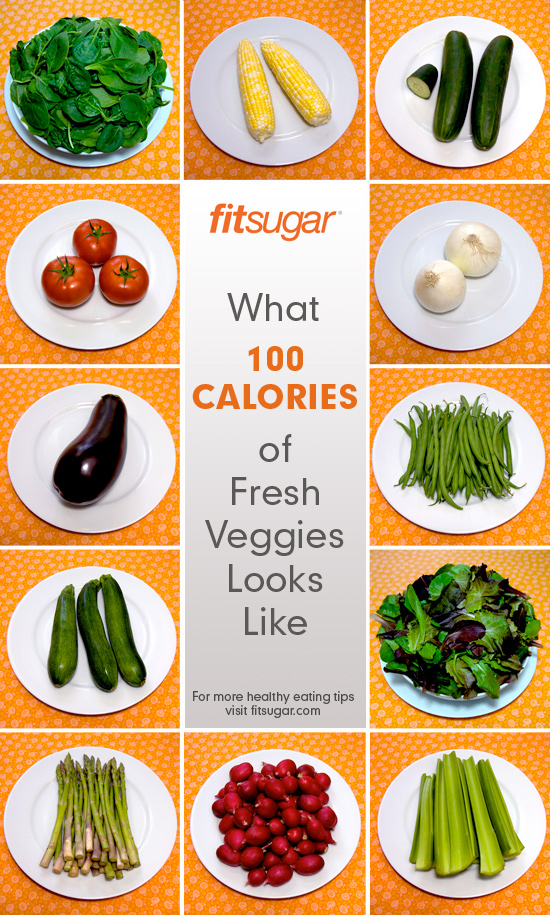
what does 100 calories look like!?

Scenario #1: you're trying to watch what you eat. you know you should cut back on your caloric intake, but when you go to grab a snack you can't find the nutrition label on your apple or bunch of grapes.

Scenario #2: you have never counted a calorie in your life but you struggle with portion sizes sometimes. I mean, one bag of chips is a serving size, right!? so wrong.

regardless of whether you find yourself in scenario #1 or #2 you might just benefit from the following pictures. 100 calorie portions of fruit, vegetables and candy are illustrated below.

first, FRUITS:

next, VEGGIES:
and finally, SWEETS:

** keep in mind, the candy illustrations are the FUN SIZED bars.

undoubtedly, you get a lot more bang for your buck with fruits and veggies. in more ways than one. so the next time you sit down with a snack or get the munchies, think about how many calories you're consuming. not sure how many calories you should be eating per day? use this calorie need calculator. food is fuel. you'll find yourself suffering if you're eating too much OR not enough.

Thursday, February 28, 2013

Superfoods for Super Cheap!!

but Nicole, eating healthy is just so expensive!!

If I had a dollar for every time I heard that I could buy all the fancy produce I wanted and still have enough do-re-me left over to invenst in a gym membership. In this post I'm setting out to prove you wrong. Eating healthy doesn't have to cost you and arm and a leg...after all the whole point of maintaining health and wellness is to keep all extremities in working order for as long as possible, right!?

No doubt about it, you can find some pretty expensive health food products. But you don't need to be buying organic, grass-fed, pesticide and gluten-free groceries at specialty food shops. I'm not saying to avoid those things or places, if you can afford them or have special dietary needs, do buy them, but if you're just looking to eat healthier, start with something green. baby steps.

The following food items have all been shown to have amazing health benefits (hence, the 'superfood' title) and are all under $1 per serving!! You can't even buy a bag of crips or a candy bar for that price. Eating Well magazine has just made your next supermarket shopping experience a whole lot easier, check it out.

1. Lentils.
cost per serving (1 cup): 15¢
benefits: high in protein and fiber (9g and 8g per half cup)

2. Oats.
cost per serving (1/3 cup, uncooked): 10¢
benefits: a great source of soluble fiber (3g per serving).  Research suggests that increasing soluble fiber intake by 5 to 10 grams/day could result in a 5% drop in LDL cholesterol.
** note: those sugary packets of flavored oatmeal don't exactly count.

3. Kale.
cost per serving (1 cup): 60¢
benefits: a serving (1 cup cooked) has 10 times the daily value of bone-healthy vitamin K. It also has 3 times the daily value of vitamin A and is high in lutein and zeaxanthin, which all help your vision.

4. Almonds.
cost per serving (1oz): 63¢
benefits: 1oz (23 nuts, 162 calories) has 37% of your daily value for vitamin E. Almonds also deliver calcium, fiber and folate.

5. Tea.
cost per serving (1 tea bag): 10¢
benefits: green and black tea are loaded with antioxidants, which may boost your immune system and promote heart health.

6. Oranges.
cost per serving (1 orange): 34¢
benefits: one orange delivers an entire days worth of vitamin C and 3g of fiber. plus, the orange color means it delivers vision-boosting beta carotene. for only 70 calories!!

7. Tuna.
cost per serving (3oz): 48-77¢
benefits: tuna canned in oil delivers heart-healthy omega-3s and is a great substitution to use when cutting back on red meat. Look for chunk light tuna, which comes from smaller tuna fish and is lower in mercury than white albacore tuna.

8. Peanut Butter.
cost per serving (2 tbsp.): 21¢
benefits: peanut butter delivers heart-healthy mono- and polyunsaturated fats, vitamin E and zinc. Look for natural peanut butter (ingredients: peanuts and salt) to avoid partially hydrogenated oils and sugar.

9. Apples.
cost per serving (1 apple): 21¢
benefits: apples don't have a super high amount of any one vitamin, but they do produce tangible heart benefits. Researchers think it’s a combination of the pectin (fiber) and polyphenols that makes apples so good for you.

10. Eggs.
cost per serving (1 egg): 17¢
benefits: egg whites are brimming with protein (4g per egg), while the yolks deliver vitamin D, lutein and xeanthanin, which lowers the risk of age-related macular degeneration. all for 80 calories!!

11. Carrots.
cost per serving (1 cup): 32¢
benefits: carrots deliver 4 times the daily value of vitamin A, which helps build bone and contributes to immune function.

12. Cabbage.
cost per serving (1 cup): 27¢
benefits: cabbage is a cruciferous vegetable - linked to lower rates of cancer. It’s also is an excellent source of vitamins C and K, and delivers fiber and detoxifying sulfur compounds. 22 calories per cup!!


You can buy all those yummy, healthy things for under $1 per serving. Whether you're buying for a household of small people or just for one, that's a great deal. There's no way around it - food is fuel. Give your body the proper nutrients to operate at your very best.

Saturday, February 9, 2013

25 healthy words to live by:

have you ever had a health question and instead of calling up a reliable source you decided to check the world wide web!? of course. we all have. the internet is a fantastic resource if you're trying to find a healthier way to make your mommas comfort food recipe...but if you're looking for something a little more complex, you might not find THE answer, but twelve different answers. everybody has an opinion. and it just so happens that opinion can become public knowledge given the simplicity of online publishing (take this blog, for example). 

think of any number of controversial health issues and you'll find advocates for both sides of the equation: to drink milk or to avoid dairy? will going gluten-free help me lose weight or put on pounds? are carbohydrates off limits or should I eat whole grains? the list goes on and on. it gets confusing!! 

the Huffington Post recently published an article after asking 25 health professionals the following question: if you could share one piece of health advice, what would it be?

here they are, 25 healthy words to live by:

1. Do More - eat well. live well. move more. love more. 

2. Enjoy Your Breakfast - and make sure protein is a part of that meal. 

3. Take It Easy - ride the waves of gratitude and grace. 

4. Go Vegetarian Once a Week - pick a day and go veggie! it's good for you and the environment. 

5. Eat More Bacteria - like yogurt, pickles and sauerkraut. 

6. Take Charge - be in control of your body. 

7. Eat More Plants - preventing heart disease, obesity, many types of cancer and Type 2 diabetes.

8. Have Fun - healthy people have more fun!!

9. Make Your Own Rules - find what works for you. there is no universal answer to health. 

10. Food Is The Most Important Medicine -Each bite of food sends messages directly to every cell in your body, changing your hormones, your immune system and your brain chemistry, controlling which genes get turned on or off -- health or disease genes.

11. Prioritise Sleep - it's healing.

12. Be Active Every Day - you don't need a gym membership, just get up and move. 

13. Eat Protein -protein should be a vital component to every meal. 

14. Accept Yourself - stress bleeds all life force. 

15. Sleep and Hydrate - these are two of the biggest determinants of health. 

16. Seize the Day - small changes can produce massive results. 

17. Eliminate the White Stuff - flour, sugar, rice and pasta. avoid it. 

18. Get Plenty of Rest - and regulate your sleep pattern. 

19. Believe in Yourself - you are worth it. 

20. Avoid Products with BPA - limit your exposure to toxic chemicals. 

21. Breathe - learn breathing exercises to reduce stress, improve mood and energise. 

22. Exercise Daily - 30 minutes of daily cardio or weight-bearing exercise can reduce your risk for obesity, osteoporosis heart disease and certain kinds of cancer.

23. Get Omega-3's - eat oily fish 2 times a week or take a fish oil supplement. 

24. Sit Less - sedentary lifestyles kill. move like your life depends on it. 

25. Quit Smoking - now. and if you don't smoke, plan to never start. 

Saturday, February 2, 2013

spaghetti squash RECIPE:

all of us have enjoyed a delicious bowl of spaghetti. and while not all of us may consume squash on a regular basis, I'm sure you've at least heard of it.

--- remind me to tell you a story about how I once had to inform the cashier at the supermarket what the "yellow thing" in my cart was (squash). oh! and the "ugly brown ball" (avocado). sheesh.

but back to the point, have you ever heard of SPAGHETTI SQUASH!? it's one of my favourite things. not simply because of its taste, but because it is so fun to make. I'm going to be vulnerably honest with you for a second - I am pretty terrible in the kitchen. I can make a bangin' salad, boil eggs and whip together some quinoa...but that's about it. and regardless of what it is I'm making I manage to make a mess equivalent to that you might find on the highchair of a sticky-fingered toddler. I kid you not. ask my mother. so trust me when I tell you that squash is one of the easiest things to make. seriously. here's what you'll need to do:

acquire one spaghetti squash (legally, of course). set oven to 375 degrees. use a pairing knife to poke a few holes in the shell of the squash. place squash on a baking sheet. bake for approximately 60 minutes or until you can slice into the squash without resistance.


the best is yet to come: once you've baked your squash. allow it to cool before slicing it in half and scooping out the seeded middle (the bits that look like the inside of a pumpkin). then grab a fork and start scraping!!! your fork should easily slice through the squash. if it's still firm return it to the oven for 10 minutes. the finish product looks like noodles!!


your squash should have a slight crunch and can be paired with a variety of items. squash itself doesn't have a strong taste, but is great when used as a base or replacement starch. 
here I've listed a few of my favourite ways to use it: 
- use it as a base for tomato sauce (you can even add a meatball or two!) 
- pair it with chilli 
- mix in a homemade avocado and beef broth puree (delicious!!) 
- add parmesan cheese, herbs and a little butter

give it a try and tell me what you think. this is a super fun recipe to try with children (or those of us who just refuse to grow up). Steamy Kitchen has a great recipe and step-by-step instructions for first timers. 

PS. I've heard spaghetti squash can even be made in the microwave. so you have no excuse not to try it! ENJOY!! 

Wednesday, January 23, 2013

an easy read: Fitness Facts


1.         Carbohydrates, protein, fat, and alcohol have 4, 4, 9, and 7 calories per gram respectively.
2.         Did you know that a pound of muscle burns approximately 9 calories a day while a pound of fat only burns 2?
3.         It takes a 3,500 calorie deficit to lose a pound.
4.         Did you know that it only takes a deficit of 500 calories a day to lose a pound a week? (that’s like 2 soda’s or 2 carmel macchiatos from Starbucks)
5.         Did you know that it only takes 100 excess calories a day to gain 10 pounds in a year?
6.         You can eat anything you want and still lose weight – but weight doesn’t always equal fat. have you ever heard the term skinny fat? yeah, don't let that be you.
7.         You can’t target fat loss – fat loss is systemic.
8.         Muscle does not weigh more than fat. Muscle is denser than fat. (denser!? more dense?? you know what I mean!)
9.         Eating healthy is not more expensive than a junk food diet.
10.           Just because a box says “whole grain” doesn’t make it healthy.
11.           There’s a high correlation between the fitness level of the people close to you and your own physical fitness.
12.           As an adult, fat cells can be created but they cannot be lost – only shrunken.
13.           Snacking at night does not make you fat – overeating does.
14.           Being skinny does not automatically mean you have a low body fat.
15.           The grocery store perimeter is where 90% of healthy food is located.
16.           80% of people who begin an exercise program will quit - don't let this be you!!
17.           The more muscle mass you have, the more calories you burn at rest.
18.           If you don't exercise regularly, by the time you are 65 you may experience as much as an 80% decrease in your muscle strength.
19.           You can lose weight and still gain muscle, likewise, you can also gain weight while still losing fat.
20.           People who cross-train with a variety of exercise are more fit and less injury-prone than those who exercise using only one or two exercise modalities.

Tuesday, January 22, 2013

Packaging ploys and supermarket scams.

If you've ever spent any time with a nutrition savvy friend or even if you've seen a dietician you have heard them say "make sure you read the nutrition label!" Trust me, I am that nutrition savvy friend and I've said it. repeatedly. and while it's true, reading labels will benefit you and the mouths you feed; like many things in life, it's not quite that simple.
Here are the cold hard facts:

[a] you need to eat.
[b] businesses in the food industry need to make money.
so, in order for both [a] and [b] to happen said businesses will use whatever means necessary in order to encourage you to buy their particular food products...even if that means stretching the truth a little bit. Think of it this way: how many times have you just had to buy a box (or maybe three boxes) of girl scout cookies from that adorable little girl on your front porch? To turn her away would be heartless, right!? I mean, what she's selling is just too sweet to pass up. The food industry is that little blonde haired blue eyed girl scout. They are pulling out all the stops so that you just can't say no.

I've warned you against a few marketing ploys previously, but considering how many times you frequent the grocery store in a weeks time it's only fair that we continue our education on the big scary monster that is retailing.

YES, it is important to read food labels, but NO, just because you read words like "fat free" and "whole grains" doesn't necessarily mean you're eating healthier. Joe Weber from Mens Health Magazine has spelled out a few of the marketing lies used to trick us into believing we're eating healthier:

1. "Fat Free" is better for you.
Anything void of fat must mean it's ok to eat, right!? False. Swedish Fish and Skittles are fat free products. Does that mean they are healthy? Absolutely not. Basically the ingredients in these products boil down to sugar and processed carbs = not good. What about fat free peanut butter? Who wouldn't love to eat peanut butter by the spoonful without having to suffer extra inches around the middle? I know I would. cue the life's not fair monologue. All nuts contain fat. therefore, all nut butter contains fat. Fat free peanut butter replaces fat with excess sugar. 10 minutes after eating a spoonful of your fat free peanut butter you'll want another...and another...and...you get the idea. it's dangerous. You're better off eating the real thing in moderation. Aim to eat healthy fats.

2. All the important stuff is on the front.
How many times have you read "33% less fat than the original" or "reduced sodium" on the front of your cracker or cereal box? While these claims may be true it's important to ensure that nothing detrimental was added to these products in order for these claims to be made. For example, your serving of crackers may have 33% less fat than the last box you bought, but those crackers probably have 33% more carbohydrates. Fat comes out but sugar and flour go in. Would you buy those crackers if the box read, "33% more carbs"? I think we all know the answer to that one. Read, re-read and read [the nutrition label] again.

3. This healthy beverage is better than water.
Imagine if you could drink something that tasted like strawberries and kiwis with all the benefits of a multi vitamin. Or a beverage that tastes delicious but contains absolutely 0 calories. There are products that claim to do exactly that, but at what cost? Whether it's agave nectar, beet sugar or one of those funny ingredients you can't pronounce (e.g. sucralose) your drink is most likely loaded with sugar. You're much better off with a refreshing glass of 0 calorie water. If it's vitamins you're after try a multi or better yet, eat dark green leafy vegetables and brightly colored fruits.

4. 'Heart Healthy' foods are always good for your heart.
Food companies pay BIG money for those labels because they know that's what you look for. These labels can identify credible products but be careful, the label doesn't mean all the ingredients are heart healthy. The fine print might state that the saturated fat and cholesterol contents meet recommended guidelines but what about all the other stuff? Case and point: cornflakes sport a "diabetes friendly" logo when in fact Australian researchers have shown that cornflakes increase blood glucose faster than table sugar. yikes!!

It's time to educate ourselves. We no longer have to be victims of the food industries marketing schemes. Fight back!!! When you don't buy it, they stop manufacturing it. Why do you think everything at the supermarket screams "fat free" and "reduced sugar"? That's what you want and everybody knows it. Make sure you're getting what you want (and what you pay for).


Wednesday, December 12, 2012

BODYPUMP!


can you say, "FREAKING OUT!!" because I can and I am.

just recently I started taking Body Pump classes at my gym. BODYPUMP is a class offered by Les Mills using barbells and weights to sculpt, tone and strengthen your entire body. all too often we get stuck on the cardio train. cardio is brilliant. it's great for building endurance and keeping your insides healthy (the heart loves cardio). but sometimes we forget that fitness is a marriage between cardio and strength. we go for a run....jump into a spinning class...walk...swim, all the while burning calories and getting our heart rates up whilst neglecting to build and strengthen our muscles, which will ultimately improve our performance in all areas of fitness. one of the most common misconceptions concerning weight training is that if you lift you'll look like those she-men with thighs the size of your torso. not true!! unless you're intentionally training for a weight lifting competition (and pounding protein like it's your job), strength training will not result in obscene muscle bulges. Let's talk about the benefits of strength training, shall we?

STRENGTH TRAINING:

1. protects bone health and muscle mass: after adolescents we all start losing approximately 1% of our bone/muscle strength every year (yikes!). strength training has been shown to stop, prevent and even reverse bone and muscle loss. what!? science. is. so.cool!!

2. makes you stronger and fitter: yes please. muscles are being strengthened and toned by contracting against the resisting force of weight. as you replace fat with muscle, your bod is not only going to feel healthier, but you are going to look HOT. 

3. helps develop better body mechanics: balance. coordination. posture. all of these things get better with strength training. vitally important among older adults, strength training can reduce the risk of falls by up to 40%.

4. plays a role in disease prevention: strength training can be as effective as medication in decreasing arthritis and lower back pain. strength training can help increase bone density and reduce the risk of bone fractures. strength training can also help improve glucose control (super important for anyone with diabetes). 

5. boosts energy levels and improves mood: (like coffee, only better!!) strength training presents a big endorphin (natural opiates produced by the brain) boost. and that's not all - research shows improvements in sleep and overall quality of life as strength training has antidepressant properties. 


6. burns more calories: there we go! (I know some of you are saying, nicole, quit it with all this rubbish, just tell me how I can drop 10 lbs. well...here it is...)  our bodies continue to burn calories after strength training, known as the 'after burn' or 'physiologic homework'.  More calories are used to make and maintain muscle than fat. strength training can boost your metabolism by 15%. 


tell me you're convinced. yeah!? don't for one second think you can't do this because you don't have access to expensive weight machines, barbells or dumbells. strength training includes plyometric exercises like pushups, situps, lunges, squats, etc. NO EXCUSES! if you are more advanced and you think you'd like to give a class like BODYPUMP a try, I say go-for-it!! remember to use light weights your first time and see how you feel afterwards. take a buddy, it's fun!! I'll be honest, after my first class I thought, 'wait, was that it? I'm not sweaty', but two days later, boy was I eating my words. you will be sore! and you'll want to make a habit of it. heck, I've only taken 5 classes and I'm going to get certified this weekend. crazy!? mmm. probably. I'll keep you posted on the training. In the mean time, learn more about BODYPUMP and other Les Mills programs here.  


who's coming with me!? 

Monday, December 3, 2012

Restaurant War(nings), as per Dr. Oz:

Once upon a time, I worked as a food server at a little bar and grille. yes, a food server is exactly what it sounds like...the person not quite cool enough to take your order but more than capable of delivering your meal to your table and doing the rest of the not-so-shiny bits of the job. The locale will remain unnamed, however, after having spent the majority of my summer in the kitchen (for the sole purpose of a pay check) I refused to allow my family to step foot in the restaurant. I could almost promise that your fingers would not be the first to touch your food, and heaven forbid you sent something back with a complaint. but that's neither here, nor there. all this to say, NEVER EAT OUT. I'm kidding (sort-of). 

I've made mention of the benefits of cooking your own meals in previous posts, but eating out can't always (nor should it have to) be avoided. you can make healthy choices irrespective of where you choose to dine. no excuses. even Turkey Hill sells bananas and hard boiled eggs. 

Recently, Dr. Oz targeted some of the secret issues restaurants fail to acknowledge. so, consider this a cautionary tale. I'm not saying that all restaurants are the pits. In fact, I've seen, first hand, dining establishments that are top-notch and run by the book. Just be wary and do your research. Your health is a priority. if it's not, it darn well should be. act accordingly. 


Here they are, Restaurant SECRETS: 

1. Your meat might be rotten. 
"An old trick is to keep steak that's past its prime and wait until somebody orders it well-done. The more you cook the meat, the more you disguise its flavor – so restaurants are able to serve you food that’s really past its prime." 
SOLUTION: order your steak medium. that way they have to use fresher cuts of meat. 

2. Your meal comes with added sugar!
"Do you ever wonder why some of your favorite dishes look shiny? The answer is extra sugar. It’s added to most pasta dishes to help cut the bitterness from the tomato sauce. It’s even added to pizza dough! It makes the food taste better and keeps you coming back for more. The extra sugar is adding calories to your meal and inches to your waistline!"
SOLUTION: While hard to avoid, you can ask your server what is included in the steak seasoning or ask for your veggies steamed instead of in that oh-so-good sugary butter sauce. 

3. Buffets bread bacteria. (doesn't the word buffet just make you want to gag!? ick.)

"The danger of buffets is that the food sits out at inconsistent temperatures. The food on the bottom is burnt, while the food on the top is too cold. Additionally, you don’t always get real ingredients. A recent test from West Virginia University concluded that scrambled eggs from two restaurant buffets were not made from real eggs but from liquid egg substitutes containing less protein and more water. Anything that’s all-you-can-eat is usually either low quality or food made from starch or heavy in fat."
SOULTION: Don't eat at buffets. but if you haaaave to, go when they first open and the food is at it's freshest. 

4. Serving trays are filthy. 
"Busy restaurant workers don’t have time to clean a tray. If they do clean it, they are often using the same dirty cloth to wipe them all clean - spreading the germs!"
SOLUTION: Ask for food in a to-go container or bring an antibacterial wipe. 

5. The 'special' is often a poor choice. (s c a r y!) 
"Restaurateurs know that many diners will order a special, and consequently raise the price. Sadly, the daily special may not actually be special; instead, they are usually made of the food the chef needs to get rid of fast. This includes aging meat and fish, old veggies and leftover sauces."
SOLUTION: Don’t be shy about asking the waiter questions about the ingredients. And don’t order a special on Sunday! Restaurants very rarely get food deliveries on the weekend, so anything served on Sunday night has probably been in the cooler for a few days.

6. Water pitchers are unwashed.
"Water pitchers are sometimes washed only once a day – at the end of the night. That means during the day, they just get recycled and used over and over again. When the waiter comes around to refill your water – watch! – does the pitcher actually touch your glass? If the waiter is touching all the other patrons' glasses with the same pitcher, think about all those germs you are about to drink!"
SOLUTION: don't drink straight from the glass. ask for a straw. 

7. The music dictates how much you eat. 
"Music sets a mood – and it can affect your eating habits. If a restaurant is playing loud music, you feel like you have more energy. That makes you order more and eat faster. It also means you’ll overeat. The bonus for the restaurant? You’ll leave faster – helping the restaurant get more customers in the door!"
SOLUTION: Be conscientious the next time you dine out. Enjoy the music, order carefully and enjoy your food.

8. Leftovers are great! but...don't ask the waiter to pack them up. 
"Remember, there's no special 'leftover boxing-up station.' Your plate could be left in the kitchen next to dirty dishes and garbage. You have no idea how your food will get into your leftover container."
SOLUTION: ask for the to-go container and box it up yourself! 

9. You're better off licking the floor than restaurant lemons. 
"Most restaurants never wash their lemons. They stay in the box that they were shipped in until they end up on your plate. In an independent test, Dr. Oz discovered 5 out of 5 lemons from five different restaurants were coated with germs including mold, bacteria, staph and Candida yeast" – ew!!
SOLUTION: go lemon-less or squeeze the juice in/on yourself, avoiding the rinds. 

10. Decaf serves as Caffeinated. (after dark) 
"If you order coffee past 8 p.m., it’s most likely decaf. Restaurants don’t want to wash two pots so they often use one and fill it with decaf. It saves them time and money to serve only one option."
SOLUTION: If you need caffeine, order an espresso or cappuccino - these are made to order 

11. Bathroom cleanliness dictates kitchen cleanliness. 
"Although it may seem counterintuitive to associate a restaurant’s bathroom with their kitchen, these two places often share the same level of cleanliness. If a restaurant can’t be bothered to keep the toilets and sinks clean, then imagine what their refrigeration and workspaces look like in the kitchen."
SOLUTION: Don't eat at a restaurant where the bathroom trashcan is more than half full. Is there toilet paper? Is there soap? Make sure the bathrooms are being regularly monitored and cleaned.


Monday, November 26, 2012

don't be fooled by Don Draper:

If you have been living under a rock you may not be familiar with the Mad Men trend. If that's the case, ignore the title and understand that this post is all about unveiling the magic of marketing. 

Men's Health News recently interviewed Ilyse Schapiro, M.S., a registered dietitian in New York City who shared with readers some of the secrets of the trade. I have told you before that there is no legal definition for the word 'natural', it has absolutely no FDA regulated printing stipulations. It won't take long for you to find 'all-natural' granola bars or tortilla chips in the supermarket that in fact, are not, all natural (Pepsi Co. is in a big legal war about this concerning a few products claiming to be au natural when the ingredients include GMO's. oops!) Here are a few other sneaky ploys to watch out for:

1. "Fortified with Omega-3's" -  Fish oil is fab. It aids in reducing bodily inflammation, lubricates your joints and keeps your metabolism running smoothly. The USDA daily recommendation is 250mg. However, when cereals and whole grains claim to be fortified with Omega 3's they are using ALA, a type of Omega 3 that is not readily absorbed by our bodies, unlike DHA and EPA which are found in oily fish and fish oil supplements. 

2. "100% vitamin C" - Yes, vitamin C is very important for immunity, however, don't be scammed into buying a more expensive product because of the claim. Chances are you have no trouble consuming more than your recommended dosage without supplementing. One orange contains 116% and half a cup of chopped red bell pepper contains 158% of your daily requirement of C. Chances are it's not something you need to worry about. 

3. "Made with whole grains" - That's great. but how much? FDA regulations don't make products specify the percentage of whole grains vs. refined white flour. Check your labels! If the first ingredient is 'whole grain' or 'whole-wheat flour' feel free to add it to your cart, but if you read 'unbleached white flour' drop it and run to the next isle. okay...well, gently place it back on the shelf and move along. 

4. "With added fiber" - because everybody loves fiber! cereal...bars...you name it they've sucked you in by adding fiber. Fiber is super important. Oil is to an automobile what fiber is to your body. It keeps things running smoothly. HOWEVER, there are two types of fiber, insoluble and soluble. Insoluble fiber will help you stay regular (yes, that is what I mean) whereas soluble fiber is heart-healthy and helps keep your cholesterol low. Both are beneficial, but you don't need to by fiber-infused products to keep your metabolism in check. Go back to the basics. Eat more leafy greens and cut back on dairy and refined starches. Be sure eat lots of foods with soluble fiber (e.g. oatmeal, nuts, and beans). 

5. "Immunity Boosting" - this usually means they've added vitamins A, C and E. sounds great, right!? sort-of. Vitamin C is great for fighting off colds, however, as we discussed you don't need help getting more of it (see #2), and here's the kicker...vitamins A and E have not been shown to reduce your risk of cold or flu. Research is inconclusive. So until we find some supporting evidence, stick with fruits and veggies and forget the immunity boosting H2O or whatever else they're trying to sell you these days. Stay healthy by washing your hands, staying active and eating plant-based foods. 

6. "Made with/from real fruit" - if they have to say it, chances are you're better off without it. This claim usually means those blueberry waffles you bought or fruit chews are made with a teensy bit of real fruit juice and loaded with sugar and oil. Do yourself a favour and go buy a piece of real  fruit in the produce isle. If you're having a super bad waffle craving, make your own with frozen fruit and whole-wheat flower so you know exactly what you're putting in your body. 

Don't fall victim to marketing ploys and false advertising. You are the dictator of what is manufactured and sold in your supermarket. It's almost impossible to have missed the gluten-free trend that's blowing up right now. Society is educating themselves (albeit, some people are mis-educated and are under false pretences...but that's a battle for another day), and are demanding these types of products. The more you buy of the good stuff, the more good stuff will be produced and at your finger tips.